
TYPE
TOPIC
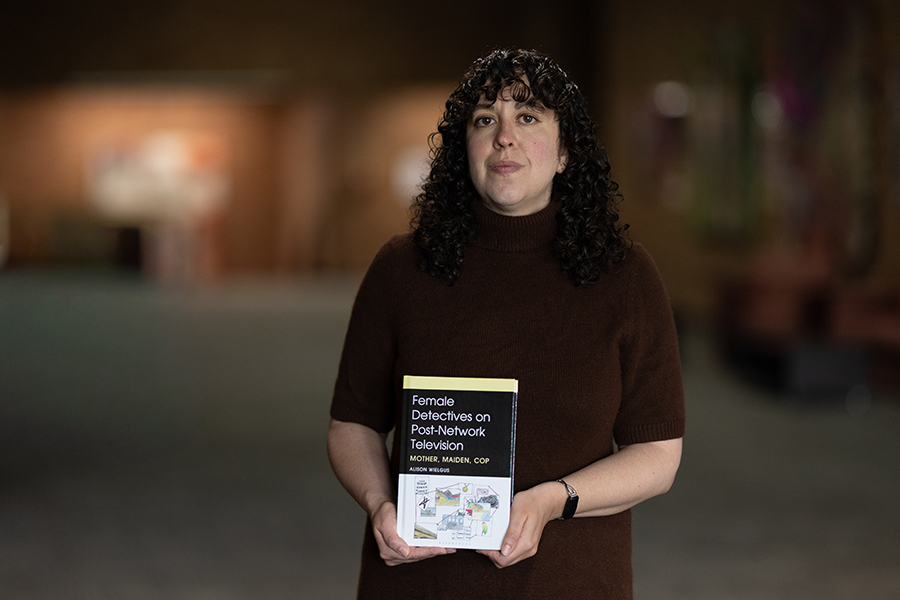
University of Wisconsin-Superior professor Alison Wielgus explores the cultural tensions shaping contemporary crime television in her newly published book, Mother, Maiden, Cop. Drawing on scholarship in post-network television, feminism, melodrama and crime studies, the book analyzes female detective television as a key site for negotiating debates around gender, trauma, and policing in the #MeToo and Black Lives Matter era.
The book argues that while #MeToo and its precursors have deepened television’s portrayals of sexual assault, femicide and trauma—shifting away from spectacle toward narrative nuance—crime television remains constrained by its reliance on heroic policing. Wielgus examines how industrial changes in post-network television have enabled more gender-aware storytelling, even as these innovations rarely extend to a sustained critique of policing as an institution. Through close analysis of genre and narrative form, Mother, Maiden, Cop positions the female detective as a contested figure shaped by a melodrama-crime dialectic that reflects broader cultural anxieties around gender and state power.
Wielgus analyzes topics including serialization, maternality, family trauma, transnational victimhood, true crime adaptation and discourses of police abolition to argue that crime television struggles to represent the structural and societal functions of policing, even as feminist perspectives on trauma have become more integrated into post-network television. The book ultimately suggests that the limits of the genre itself complicate efforts to reimagine justice on screen.
Wielgus said the project emerged from a long-standing interest in detective television and feminist media studies, sparked by Jane Campion’s series Top of the Lake.
“I couldn’t stop thinking about how atypically it functioned in its depiction of female victims and female detectives,” Wielgus said.
That curiosity first became an academic article before expanding into a full-length manuscript.
She plans to use the book in future iterations of her crime television seminar at UW-Superior and noted that classroom discussions helped shape the final work.
“My conversations with my students informed the book while I was finishing it,” Wielgus said.